Execution Framework
The VOOCS Framework
An operating system for execution -- built through 20 years of getting it wrong before getting it right across 9 PE-backed companies.
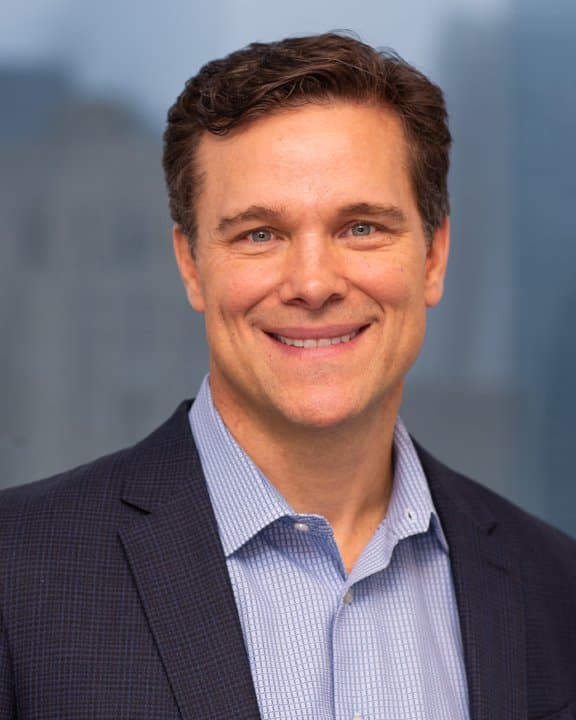
By Russ Reeder, Founder & CEO of KeyDelta
Define it. Measure it. Own it. Close it. Scale it.
The problem VOOCS solves
Every PE-backed company I've walked into has a strategy deck. Most of them are good. The problem is never strategy. The problem is closure.
Teams have vision but can't define what they're saying no to. They have goals but can't tell you what "done" looks like. Decisions stall because nobody knows who owns them. Meetings happen but nothing closes. And when things do work, they depend on one person -- a hero who can't be replicated.
I spent 20 years watching this pattern repeat across Oracle, GoDaddy, Media Temple, OVHcloud, Netrix Global, and XTIUM. Different industries, different sizes, different PE sponsors -- same execution gaps.
VOOCS came from that experience. Not from a whiteboard or a consulting methodology. From the real, messy work of running companies, making payroll, integrating acquisitions that didn't go as planned, and rebuilding teams that had lost their way.
The five elements of VOOCS
Each element answers a question that most leadership teams avoid. VOOCS forces the conversation.
Vision
"What are we saying no to?"
Most leadership teams can articulate what they want to do. Almost none can tell you what they're choosing not to do. Focus is a function of elimination, not addition. Until you define the "no" list, your priority stack is just a wish list.
Outcomes
"What does 'done' look like?"
If you can't measure it, you can't close it. Every initiative needs a metric, a target, and a deadline. Not a vague aspiration -- a specific, measurable outcome that the whole team can point to and say "that's what we're building toward."
Ownership
"Who can decide without asking?"
The number one execution killer I've seen across 9 companies: unclear decision rights. When people don't know who owns a decision, they either wait for permission (and nothing moves) or they escalate everything to the CEO (and the CEO becomes the bottleneck). A Decision Rights Document fixes this in a week.
Cadence
"What rhythm forces closure?"
Cadence creates accountability without micromanagement. A Weekly Close meeting isn't a status update -- it's a forcing function. What shipped? What's blocked? What decision needs to happen right now? The Decision Log tracks every commitment so nothing slips between meetings.
Scale
"What backbone enables coordination?"
The test for Scale is simple: if the person running this quit tomorrow, would the system still work? If the answer is no, you don't have a system. You have a hero. And heroes don't scale. The Definitions Playbook captures how your company operates -- so the knowledge lives in the system, not in someone's head.
The two laws of VOOCS
Law 1: Decisions Before Data
Don't wait for perfect information. Most execution stalls come from teams waiting for data that will never be complete enough. Decide with clarity and the right level of information. You can course-correct later. You can't course-correct if you never start.
Law 2: Commitments Before Scale
Don't scale what you haven't committed to closing. I've watched companies pour resources into initiatives that nobody has actually committed to finishing. Commitment means a name, a metric, a deadline, and a Weekly Close review. Without that, you're scaling hope.
The VOOCS Diagnostic
"If this person quit tomorrow, would this still work?"
If the answer is no, you don't have a system. You have a hero. And heroes don't scale. This is the question I ask every leadership team within the first week. The answer tells me exactly where the execution gaps are.
How VOOCS gets deployed
Through KeyDelta, I embed with leadership teams and deploy VOOCS in three phases.
Listen & Diagnose
Assess the leadership team, systems, cadence, and gaps using the VOOCS lens. Where is closure breaking down? Where are decisions stalling? Who are the heroes the system depends on? This phase is about listening -- not presenting a deck.
Deploy VOOCS
Install the framework: build the Priority Stack and "No" List, define outcomes with metrics and deadlines, create the Decision Rights Document, establish the Weekly Close cadence, and write the Definitions Playbook. This isn't a workshop -- it's hands-on implementation with the team.
Hold Until It Sticks
Stay embedded with the leadership team until the system runs without me. The goal is to make the advisor unnecessary. When the Weekly Close happens without me in the room and decisions are being made at the right level -- the framework has taken hold.
Where VOOCS works best
VOOCS was built inside PE-backed companies, but the framework applies anywhere execution gaps exist.
Post-Acquisition Integration
The first 100 days after a PE acquisition are when execution either takes hold or falls apart. VOOCS gives the new leadership team a shared operating system from day one.
Scaling from $50M to $500M+
What got you to $50M won't get you to $500M. The systems that worked with 100 people break at 500. VOOCS replaces hero-dependent operations with scalable execution.
GTM Rebuilds
Rebuilding a go-to-market engine requires clear ownership, measurable outcomes, and weekly cadence. VOOCS provides the structure so the rebuild doesn't depend on one sales leader.
Exit Preparation
Companies are bought, not sold. VOOCS helps leadership teams create real, differentiated value by closing the execution gaps that buyers see in diligence.
Leadership Alignment
When a leadership team can't agree on priorities, the whole organization stalls. The VOOCS Vision step forces alignment by making the "no" list explicit.
Crisis Response
In a crisis, execution speed is everything. VOOCS strips away ambiguity: who decides, what's the metric, when does it close. That clarity is the difference between recovery and collapse.
Where VOOCS came from
I didn't set out to build a framework. I set out to figure out why smart teams with good strategies kept failing to execute.
It started at Oracle in the 1990s, where I learned what scale looks like. Then at RightWorks, where we sold to ICG two days before the dot-com crash and I learned what happens when the music stops. I founded Rightsline, built a rights and royalties platform that now powers Disney+ and Hulu, and sold it in 2006.
After Rightsline, I spent 20 years working with PE owners to turn around companies. GoDaddy. Media Temple. OVHcloud, where I built two data centers and brought a European giant into the US market. Netrix Global and XTIUM, where I rebuilt execution from the ground up.
VOOCS is what I learned. Every element came from a specific failure I witnessed or a pattern I saw repeat. Vision came from watching teams chase too many priorities. Outcomes came from meetings where nobody could define "done." Ownership came from decisions that stalled because nobody knew who was authorized to make the call. Cadence came from teams that planned well but never closed. Scale came from watching companies implode when the one person who held it together left.
Now, through KeyDelta, I help other CEOs and leadership teams install what took me 20 years to learn. The goal is always the same: build systems that outlast any single person -- including me.
Deploy VOOCS in your organization
Whether it's a 30-minute conversation or a full engagement, the first step is the same: let's talk about where closure is breaking down.